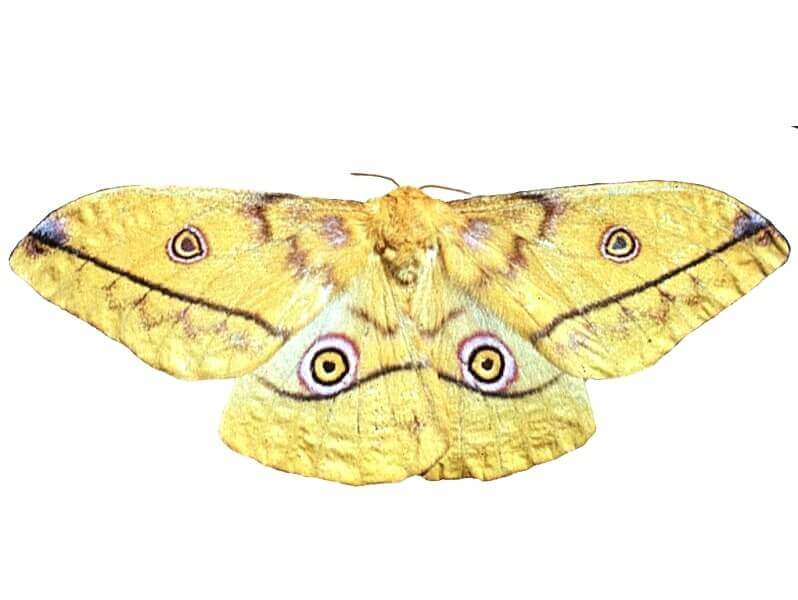
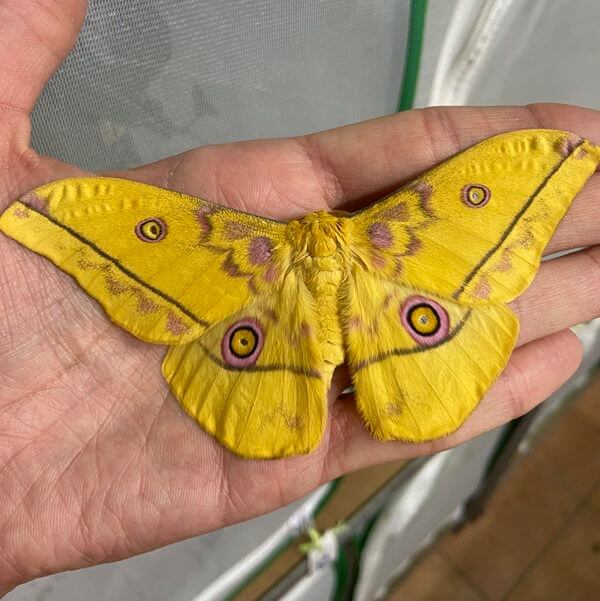
Nudaurelia dione pupae from Kenya, for sale.
Nudaurelia dione is one of Africa’s most spectacular giant silk moths, admired for its impressive size, striking wing patterns, and fascinating life cycle. Native to various regions of sub-Saharan Africa, this beautiful species is highly sought after by moth enthusiasts and breeders who wish to observe the emergence and reproduction of one of the continent’s most remarkable Saturniidae.
These pupae originate from Kenya and are close to emergence, with adults typically eclosing within 2–5 weeks under suitable conditions. Watching a fully developed moth emerge from its pupa is one of the most rewarding experiences in insect breeding, and Nudaurelia dione is particularly impressive due to its large size and vibrant coloration.
Adult moths are relatively easy to pair in captivity and can be successfully bred in medium-sized flight cages. Once emerged, males and females are generally active during the evening and night, when mating naturally occurs. Successful breeding allows enthusiasts to observe the complete life cycle of this extraordinary species, from egg to caterpillar, pupa, and adult moth.
One of the advantages of Nudaurelia dione is its polyphagous nature. The caterpillars are known to accept a wide range of host plants, making the species adaptable and easier to rear compared to more specialized moths. Numerous suitable food plants have been reported in scientific literature and by breeders around the world.
As an underground pupating species, Nudaurelia dione requires slightly humid conditions during the pupal stage. The pupae should be kept on a lightly moist substrate that maintains adequate humidity while avoiding excessive moisture, which may encourage mold development. Warm temperatures are recommended, as they help synchronize adult emergence and promote healthy development.
Whether you are an experienced Saturniidae breeder or a newcomer looking to witness the emergence of a truly magnificent giant silk moth, Nudaurelia dione offers a fascinating and rewarding rearing experience. Its impressive appearance, manageable breeding requirements, and adaptability make it an outstanding addition to any moth collection.